ImagineArt 2.0 ELO leaderboard, April 2026: GPT Image 1.5 (high) 1275, Nano Banana 2 1264, Nano Banana Pro 1214
April's blind-voting AI image rankings put GPT Image 1.5 (high) at 1275 ELO, Nano Banana 2 at 1264, and Nano Banana Pro at 1214 — an 11-point gap at the top and a 50-point cliff to #3. Here's what those numbers actually mean, what the gap looks like in real renders, and how I read the leaderboard for routing decisions.

Jacob Kuo
·9 min read

The April 2026 ImagineArt 2.0 leaderboard just dropped. The top three are tight enough that most teams are reading the rankings wrong.
| Rank | Model | ELO | 95% CI | Samples | API price | Released |
|---|---|---|---|---|---|---|
| 1 | GPT Image 1.5 (high) | 1275 | ±10 | 4,842 | $133/1k imgs | Dec 2025 |
| 2 | Nano Banana 2 (Gemini 3.1 Flash Image) | 1264 | ±11 | 6,569 | $67/1k imgs | Feb 2026 |
| 3 | Nano Banana Pro (Gemini 3 Pro Image) | 1214 | ±10 | 4,095 | $134/1k imgs | Nov 2025 |
Three numbers do all the work in this table: 1275, 1264, 1214. The gap between #1 and #2 is 11 ELO points — that's inside both models' ±10/±11 confidence intervals, which means a fresh round of voting could flip the order any week. The gap between #2 and #3 is 50 points — outside any reasonable confidence band. That's the real story: a tight #1/#2 race and a clear cliff down to #3.
I spent the last two days routing our entire prompt library through all three models in our workbench to see what an 11-point ELO gap actually looks like at the pixel level. The answer: tighter than the leaderboard suggests, but not zero — text rendering and multi-part brief adherence is where the gap shows up. The visual proof is below — eight fresh AI generations that went viral on Reddit this week because people couldn't tell they weren't real.
Don't trust the leaderboard alone.
Run your own prompt through the top models and compare the exact thing you care about: readable text, product shape, speed, or final image feel.
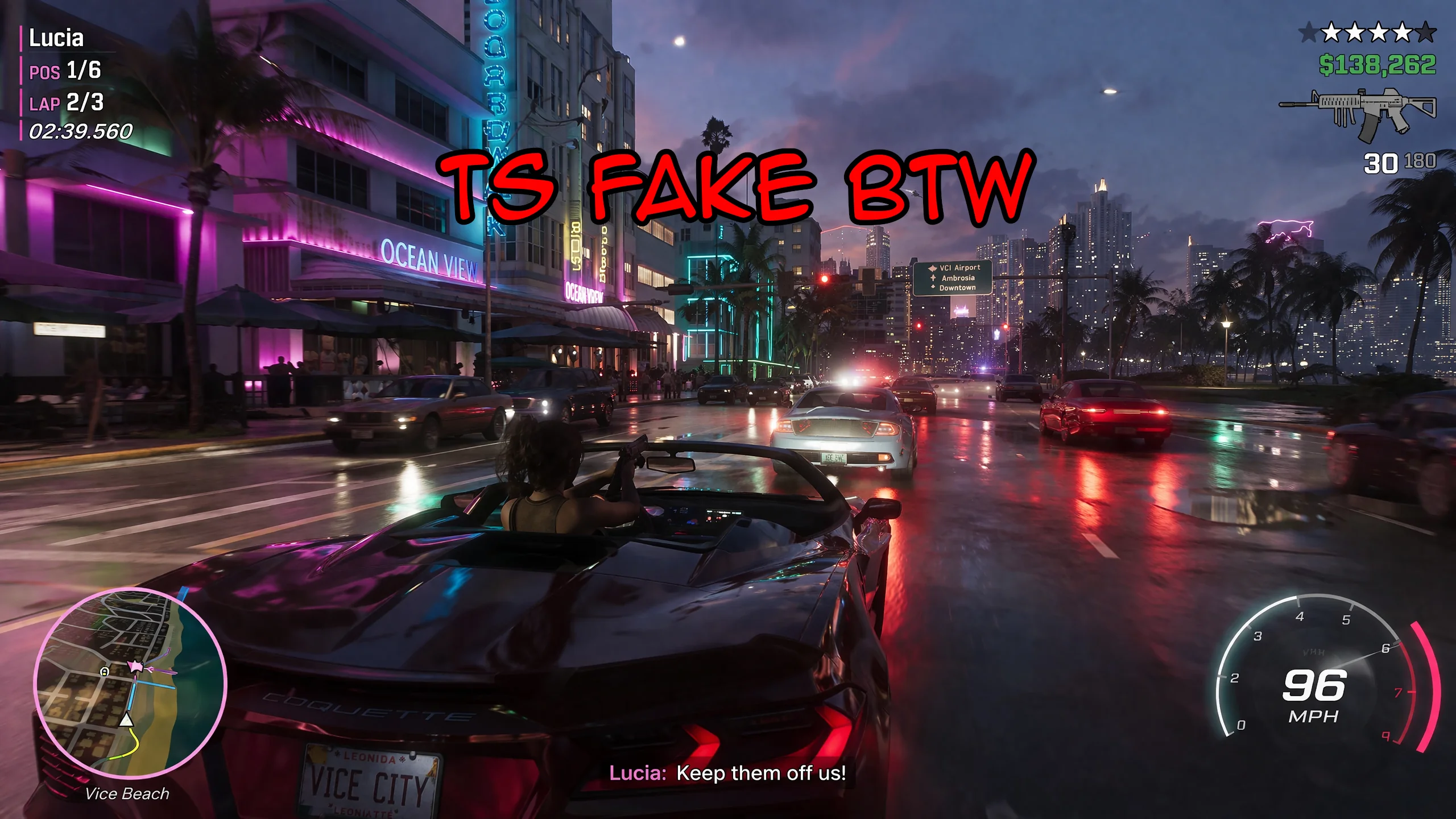
That's a GTA 6 gameplay reveal frame. Except it isn't — it's GPT Image 1.5 (high) in a single prompt. Zero retouch, zero Photoshop, zero manual HUD compositing. Every line of text, every UI widget, every neon storefront sign is model-generated in one shot. This is the kind of output the top of the leaderboard now produces.
How to read these ELO numbers
ImagineArt 2.0 ranks image models by blind-voting ELO: each visitor sees two un-labelled renders of the same prompt and picks the better one. Wins push the rated model up, losses push it down. Same scoring system as Chess.com.
Three things to know before reading any image-model ELO post:
- Confidence intervals matter more than the raw rank. GPT Image 1.5 (high) at 1275 ±10 means the "true" ELO is somewhere in 1265–1285. Nano Banana 2 at 1264 ±11 means 1253–1275. Those windows overlap — the order can flip on any given week.
- Sample count matters. Nano Banana 2 has 6,569 votes vs GPT Image 1.5 (high)'s 4,842. More samples = tighter confidence. The newer model on top is still being measured.
- 50 points is a real gap. Nano Banana Pro at 1214 sits well below both ±11 windows. That's an actual quality ceiling — not noise.
So the honest one-liner isn't "1.5 (high) beats Nano Banana 2." It's: #1 and #2 are statistically tied, and there's a 50-point cliff to #3. That changes how you should route work.
The other question worth asking: when is the quality bump worth the 2x API price? GPT Image 1.5 (high) costs $133/1k images vs Nano Banana 2's $67/1k. For a tied-on-quality model, that premium has to come from somewhere specific. The next sections show where it does — and where it doesn't.
Where GPT Image 1.5 (high) actually wins
1. Text inside images
Long strings — store names, menu items, product labels, broadcast UI — render cleaner. Fewer hallucinated characters, less warped typography, more reliable kerning. If you ship marketing creative with text overlays, this alone changes the math.
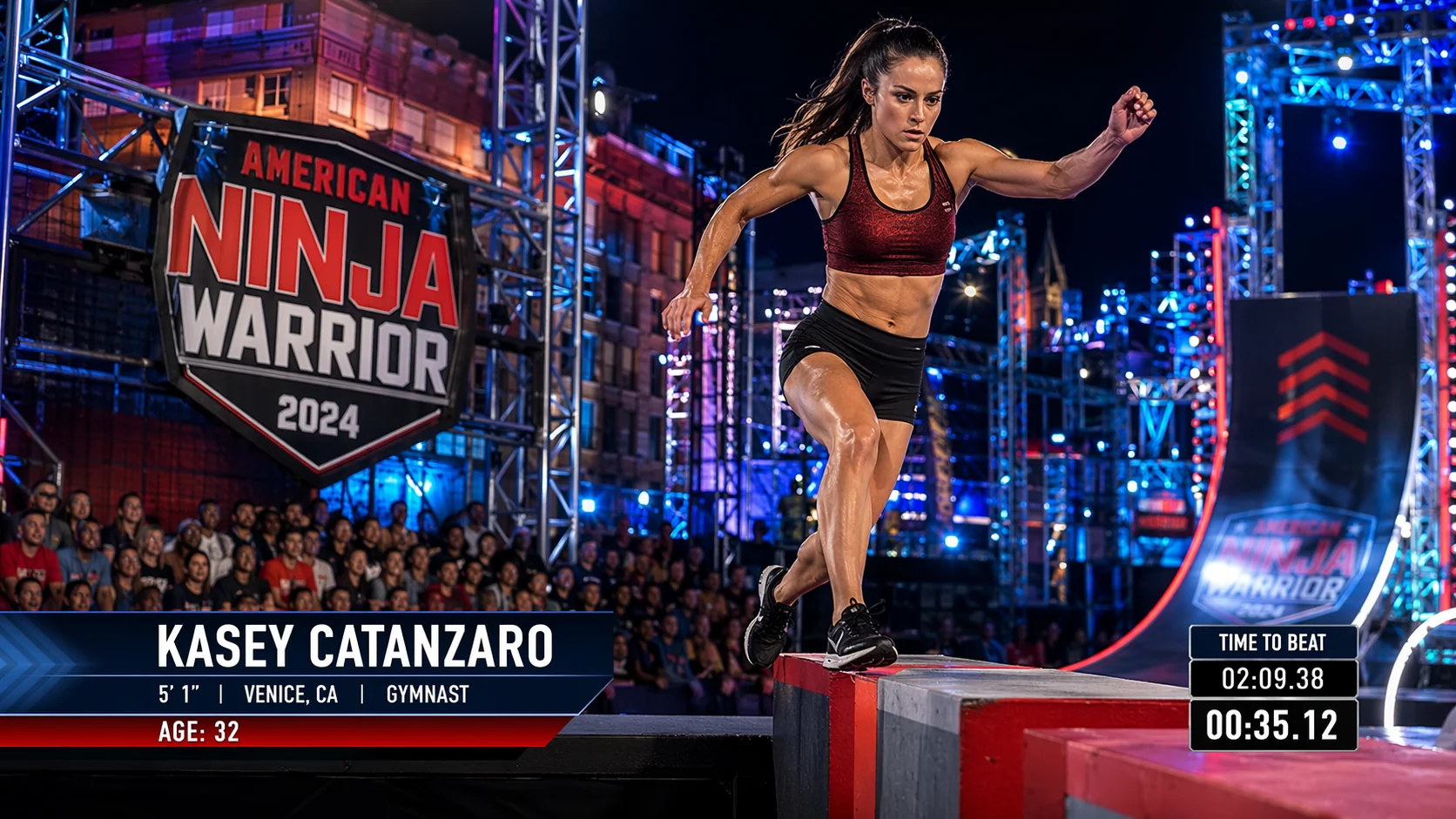
Every text element on a sports broadcast — the lower-third, the on-screen split-clock, the sponsor graphics — has to be pixel-perfect. Competitors blur numbers or invent league names. GPT Image 1.5 (high) holds structure all the way through.
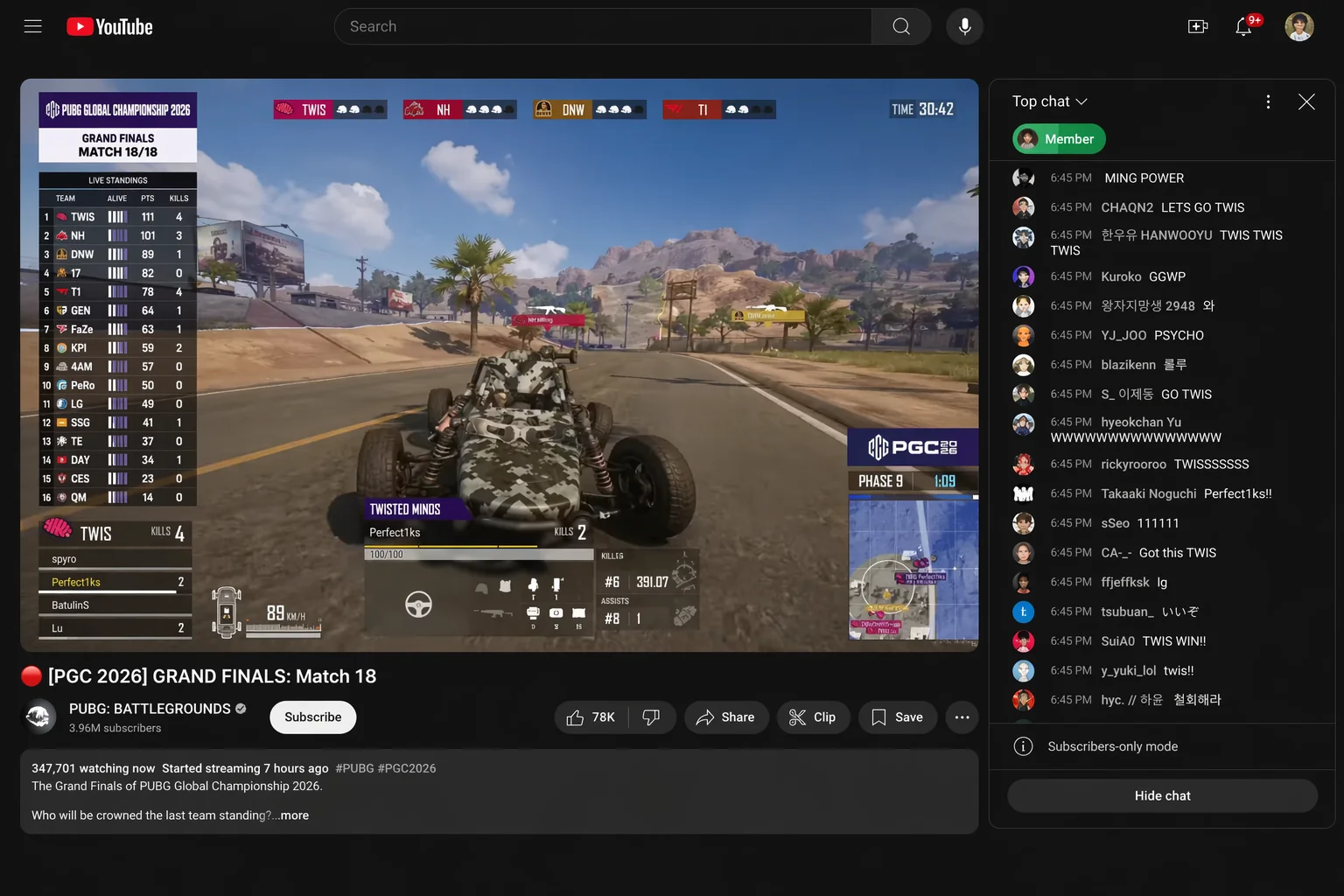
This one's the hardest test in the set. A live chat sidebar with seventeen distinct viewers, each with a different avatar, username style, language mix, and timestamp — all generated in one shot. No existing image model before GPT Image 1.5 (high) could hold this much text coherence in a single pass.
2. Fine-detail product photography
Fabric weave, metal engravings, liquid reflections, leather grain — GPT Image 1.5 (high) keeps the micro-texture that Nano Banana models occasionally smooth over.
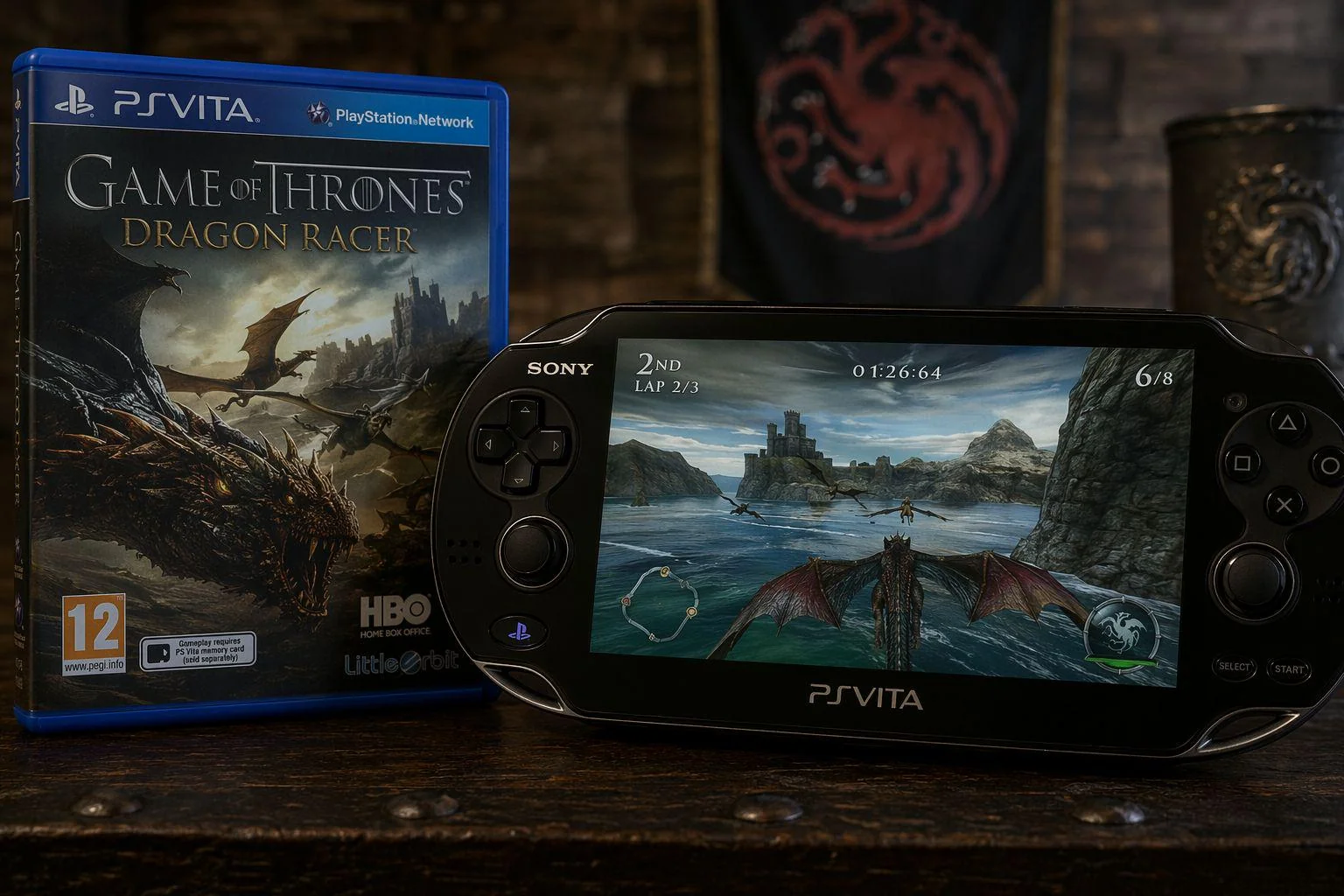
Not just the grain of the PS Vita's plastic — look at the screen-within-the-screen rendering the racing scene, the console reflection, the banner weave. Premium positioning hinges on this level of detail. For our own product hero shots we route to GPT Image 1.5 (high) every time now.
3. Brief adherence for multi-part requests
When you stack 5+ requirements, the model needs to hit all of them. GPT Image 1.5 (high) gets more correct on the first pass — cutting iteration cost.
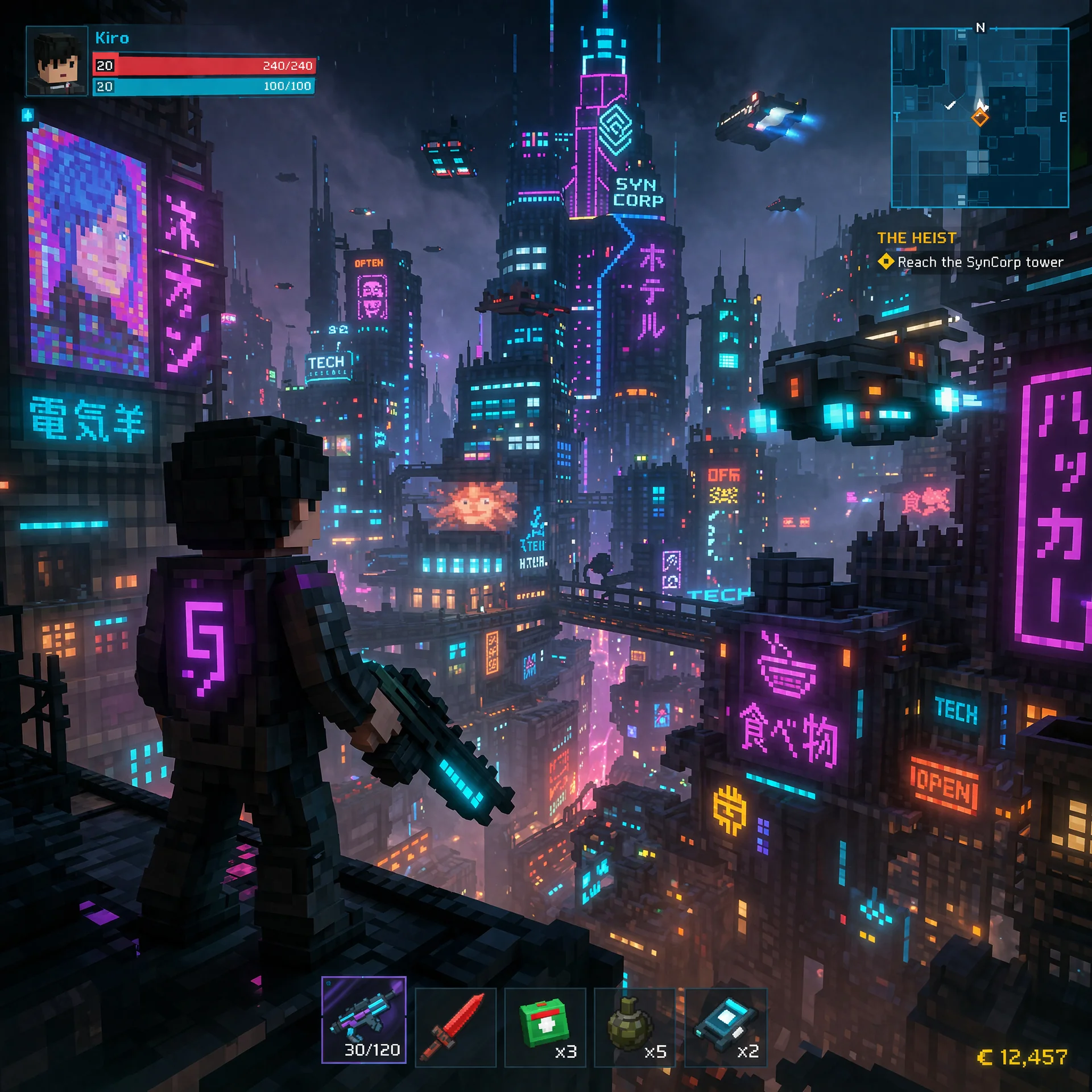
Nine requirements packed into one prompt — pixel-art style, cyberpunk theme, specific HUD layout, readable Japanese signage, mission objective overlay, health/stamina bars, minimap, inventory hotbar, lighting mood. The model held all nine on first render.
Where Nano Banana 2 still wins
- Speed — roughly 2-3x faster than GPT Image 1.5 (high) for the same prompt. When you're iterating, this compounds.
- Price — $67/1k vs $133/1k — exactly half. For high-volume output this is decisive.
- Variations — Nano Banana 2's turnaround makes it the better pick when you want 4 variants to choose from.
Nano Banana Pro sits in an awkward middle: same price as GPT Image 1.5 (high) but ELO 60 points lower. We don't route to it as a default anymore.
Our new routing rule
We changed our internal default the day the leaderboard flipped:
- Hero images, top-of-funnel ads, final product shots, text-heavy UI → GPT Image 1.5 (high)
- Drafts, iteration passes, social creative, variations → Nano Banana 2
- Thumbnails, bulk output, exploratory prompt work → Z Image
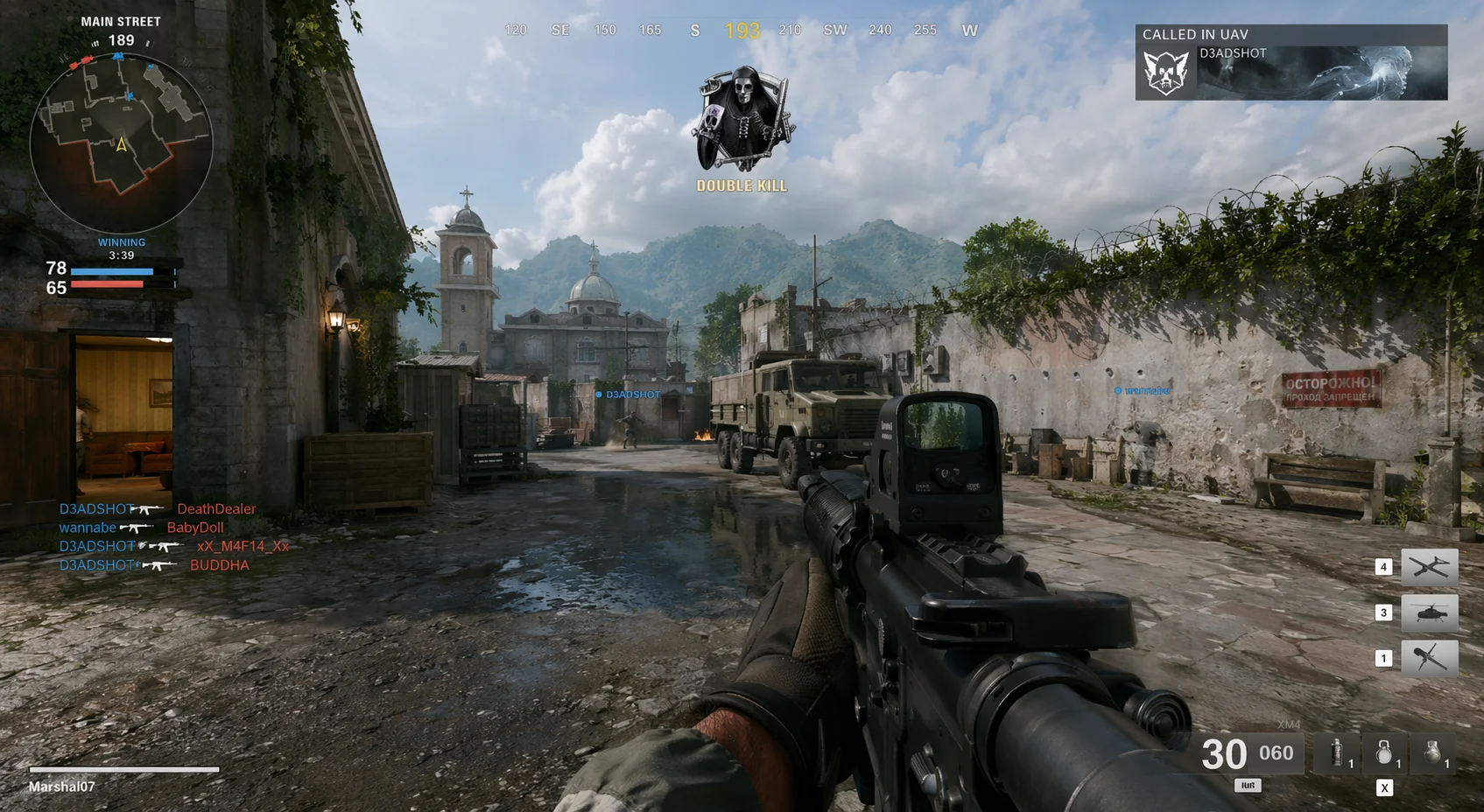
The 2x premium on GPT Image 1.5 (high) pays for itself if the image is going on a billboard or a landing-page hero. It doesn't pay for itself if you're generating fifty Instagram carousels a week. For those, Nano Banana 2 at half the price is the right call.
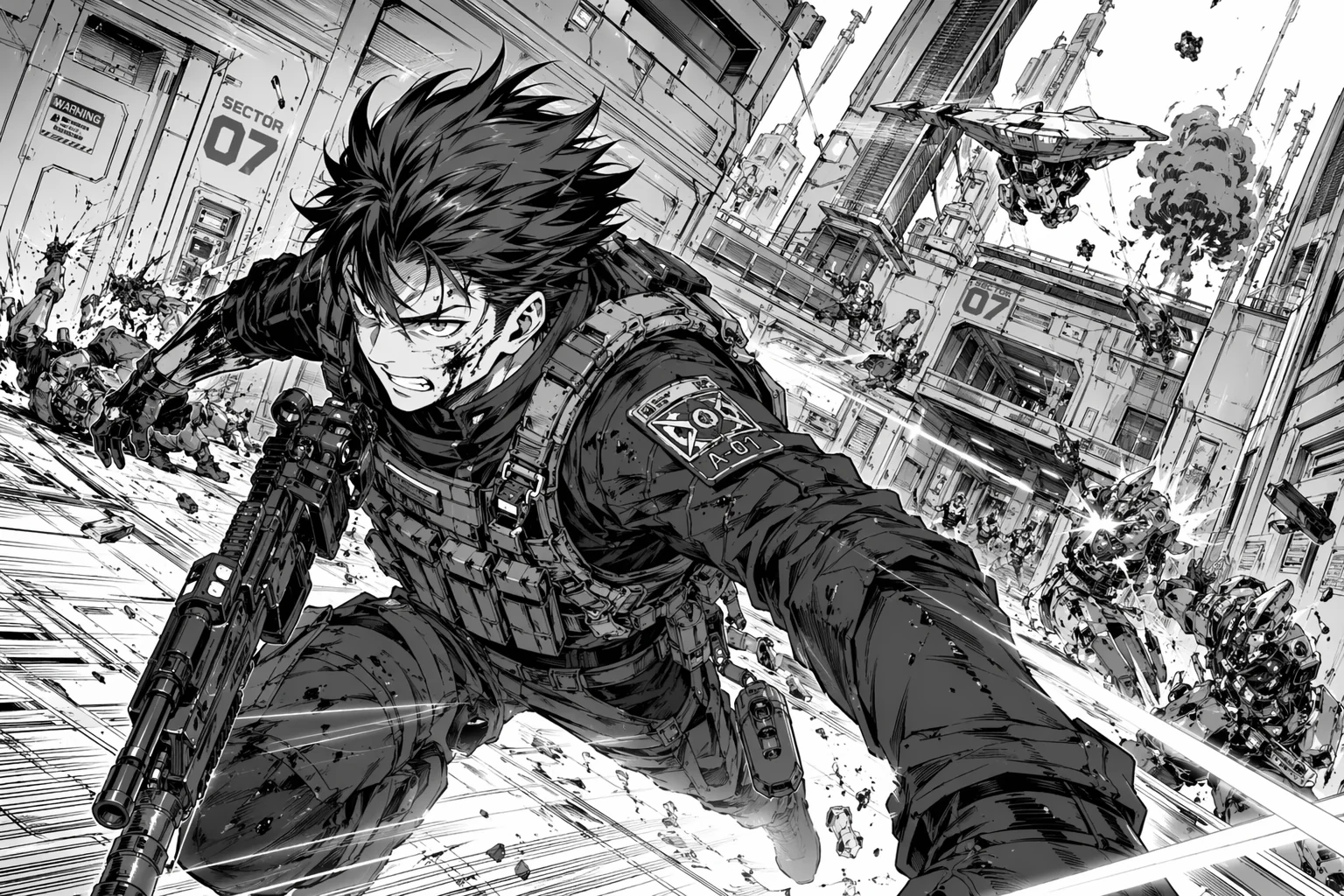
Style versatility is the under-appreciated story here. GPT Image 1.5 (high) moves from photorealistic broadcast to hand-drawn manga linework within the same session, same API, same prompt format. You don't need four separate tools.
Try it yourself
Every new account at GPT Image2 Studio starts with 30 credits, then unlocks 30 more after the first successful image. Same prompt, same output settings, blind-compare yourself. We built the workbench to make this comparison one click away.
Run the same prompt on both models: gptimg.app/
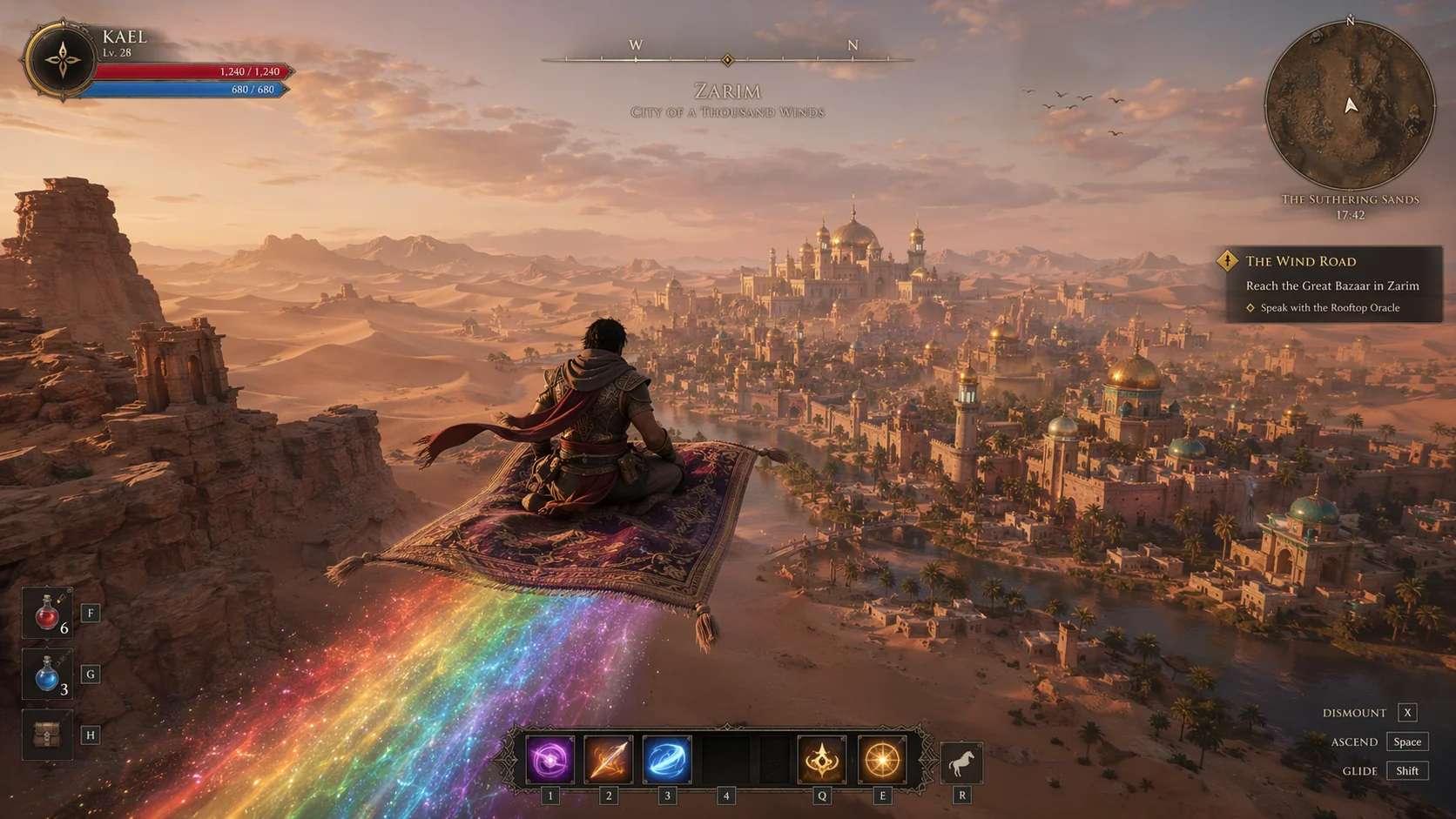
Every one of the eight images in this post was generated by GPT Image 1.5 (high) in one prompt each. No photobashing, no Photoshop layering, no manual HUD overlays. That's what SOTA looks like in April 2026.
One detail most benchmarks skip
ImagineArt's methodology pre-pends every text-to-image prompt with "Create the following as a square image:" and every edit prompt with "Edit the following to create a square image:". Without those prefixes the models produce mixed aspect ratios even when the test expects a square.
That detail matters when you're shipping commercial work: image aspect ratio is a prompt-engineering concern, not a model limitation. Our workbench ships every generation with an explicit aspect-ratio selector so you don't have to remember this.
The Bottom Line
The April 2026 ImagineArt 2.0 leaderboard, read honestly:
- #1 and #2 are statistically tied — GPT Image 1.5 (high) at 1275 ±10, Nano Banana 2 at 1264 ±11. Their confidence intervals overlap. Either one could top the table next week.
- #3 is 50 points back — Nano Banana Pro at 1214 sits well below the top two. That's a real quality cliff, not measurement noise.
- The 2x API price gap (#1 vs #2) is paid in three places: text inside images, fine product detail, and stacked-constraint adherence. Nowhere else.
- My routing rule: hero/text-heavy/final-deliverable shots go to #1, drafts and bulk variations go to #2, and I haven't routed to #3 since the gap opened up.
This isn't a permanent ranking. Gemini 3.1 Ultra is rumoured for May and Nano Banana 2 is still collecting votes. I'll update this post when the leaderboard moves — and our workbench will keep routing to whichever model tops it.
Run the same prompt on the top two yourself → gptimg.app/ (30 credits on signup, 30 more after your first successful image; commercial rights at every tier).
Frequently asked questions
Do I need a credit card to try GPT Image2 Studio?
No. Every new account starts with 30 credits on signup, then unlocks 30 more after the first successful image. Paid plans only kick in if you want more than the free ceiling.
Can I use the generated images commercially?
Yes. Every tier, including the free starter credits, comes with full commercial rights. Run ads, sell products, print on merchandise, publish on any platform. No watermark, no attribution required.
Which model should I route to for what?
Hero ads and text-heavy creative fit GPT Image 1.5 high. Product and macro texture work fit Nano Banana Pro. High-volume social iteration fits Nano Banana 2. Fast drafts and mood boards fit Z Image. The workbench can route one prompt across all of them.
How fast is a single generation?
Z Image returns in about 10 seconds. Nano Banana 2 often returns in 15 to 20 seconds. Nano Banana Pro and GPT Image 1.5 high usually take 30 to 45 seconds for standard quality, and up to about a minute for 4K high quality.
What's the difference between GPT Image 1.5 high and Nano Banana 2?
GPT Image 1.5 high is stronger for text inside images and premium ad creative. Nano Banana 2 is faster and cheaper. In production, compare both with the same prompt before choosing the final image.
Can I edit an existing image instead of generating from scratch?
Yes. Upload a reference image, then continue with image-to-image, masked edits, background removal, object cleanup, or compression inside the same workflow.
Stop guessing the model.
Run all three.
We route your prompt to GPT Image 1.5 high, Nano Banana 2, Z Image and more — same workbench, same prompt, side-by-side blind compare. 30 credits on signup, another 30 after your first successful image, and commercial rights at every tier.
30 + 30
Free credits
5+
SOTA models
30s
To first render
Keep reading

The ChatGPT image generator, explained: what it actually is, how much it costs, and when to use it in 2026


Nano Banana Pro: the complete 2026 guide (prompts, pricing, and when to use it over GPT Image 1.5)

GPT Image 2 vs Midjourney vs DALL-E: an honest 2026 comparison
