I Priced a 10-SKU Product Shoot Three Ways. AI Wasn't the Cheapest Part.
A practical product photography pricing breakdown for ecommerce teams comparing studio shoots, hybrid AI workflows, and AI-first product image sets. Includes cost drivers, hidden QA time, and when AI is actually worth it.

David Chen
·6 min read

The first time I priced product photography, I asked the wrong question.
I asked, "How much does a product photo cost?"
The better question is:
How much does one usable image cost after all the rejects, revisions, retouching, and channel crops?
That is where the math changes.
For this post, I priced a simple 10-SKU ecommerce shoot three ways:
- Traditional studio workflow
- Hybrid human plus AI workflow
- AI-first workflow with human QA
The surprising part: AI was not the cheapest part of the workflow.
Human review was.
The fake cheap number
AI image generation makes the first draft feel almost free.
That is dangerous.
If you only count credits, you will underprice the work. If you only count the photographer, you will overpay for images that do not need a physical shoot. The real number is in the middle.
Here is the cost model I use:
| Cost bucket | What it includes | Why it matters |
|---|---|---|
| Setup | Product prep, prompt brief, references, shot list | Bad inputs create expensive cleanup |
| Generation | AI credits, model tests, variants | Cheap per image, but not zero |
| Selection | Picking winners, rejecting drift, checking text | This is the hidden labor |
| Retouching | Cleanup, color match, edge fixes, final crop | Still needed for final ecommerce use |
| QA | Claims, geometry, label, marketplace fit | Prevents expensive mistakes |
Credits are only one line.
Scenario 1: traditional studio
Traditional shoots still make sense.
They are best when:
- The product is premium.
- Texture matters.
- The exact item must be represented.
- A human model is central to the campaign.
- The image will live for months, not days.
The downside is speed and fixed cost.
Even a small shoot has coordination overhead: shipping products, prep, lighting, photographer time, assistant time, retouching, and approvals.
For a 10-SKU shoot, the real cost is rarely just the photographer's day rate. It is the whole production loop.
Scenario 2: hybrid human plus AI
This is the workflow I like most for ecommerce teams.
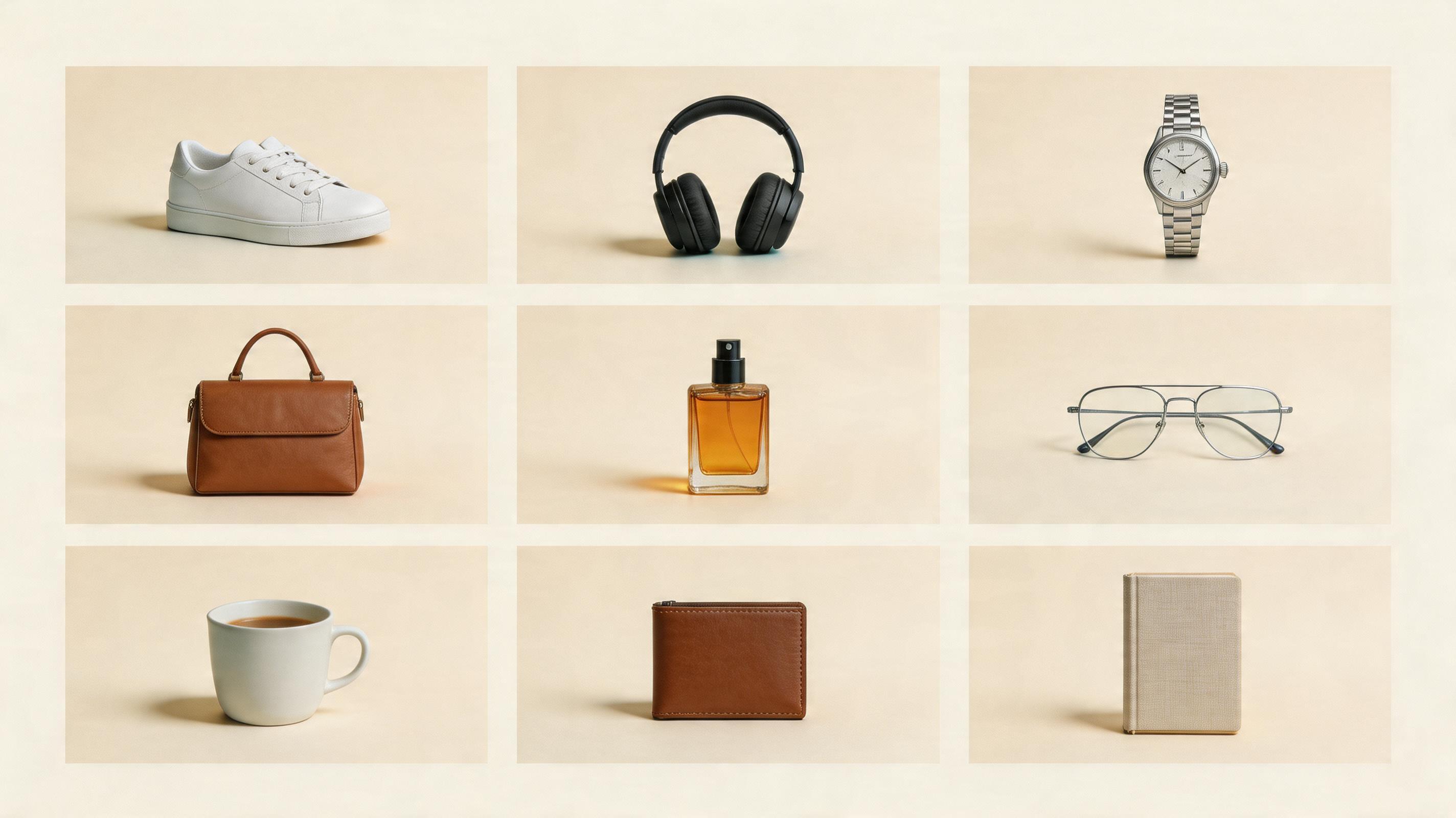
You shoot or upload a clean product reference, then use AI to create the supporting image set:
- Clean background version
- Lifestyle scene
- Feature-detail image
- Social crop
- Ad hero
- Seasonal variant
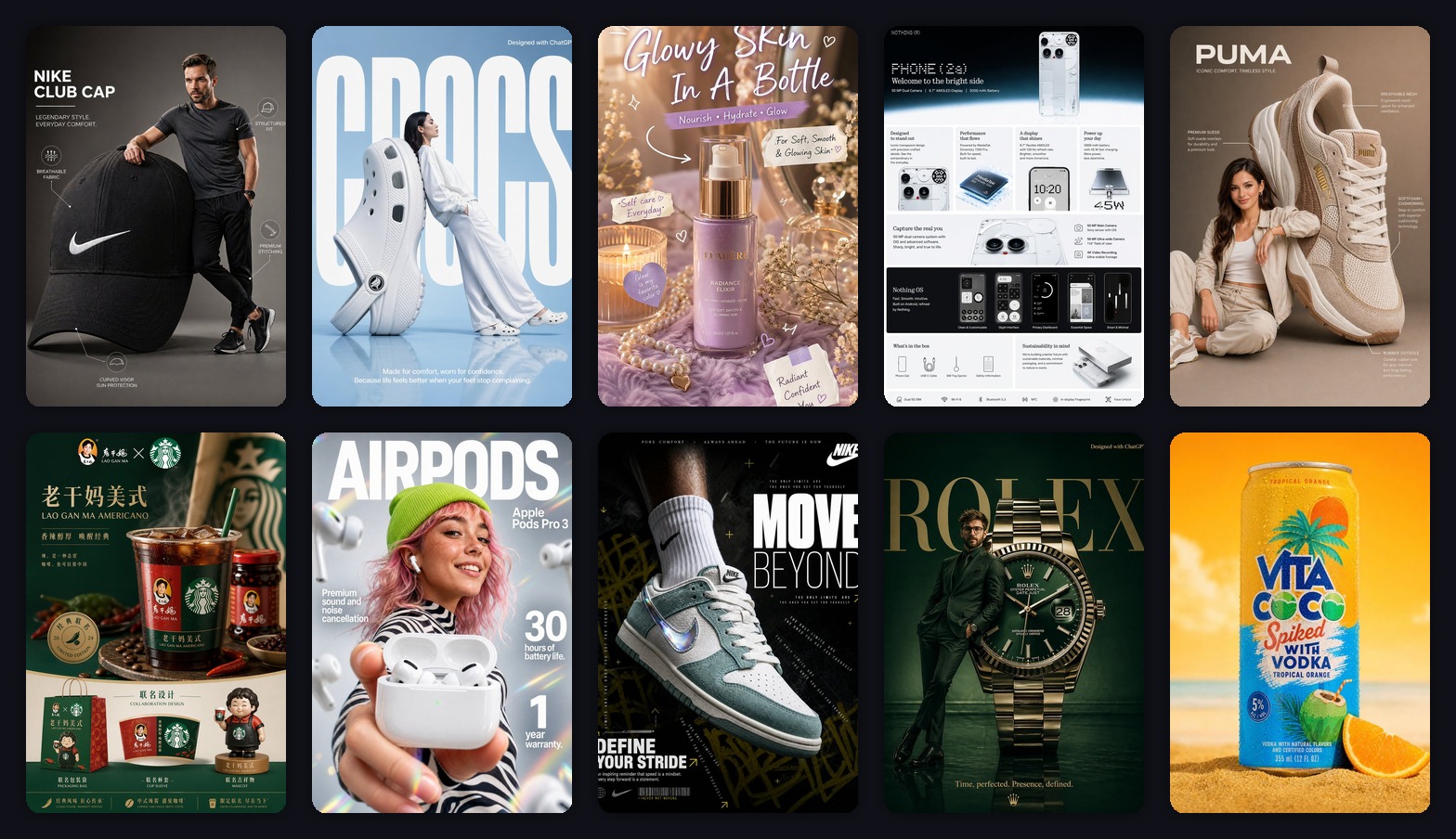
The human still makes the important calls:
- Is the product accurate?
- Is the material believable?
- Is the label readable?
- Are the claims safe?
- Does the image match the brand?
AI reduces production time. It does not remove judgment.
Scenario 3: AI-first
AI-first works when the image is not the legal source of truth.
Good fits:
- Concept ads
- Social variants
- Background exploration
- Seasonal campaign images
- Early landing-page tests
- Marketplace supporting images after QA
Bad fits:
- Food closeups that imply freshness
- Medical, supplement, or regulated claims
- Luxury texture macro shots
- Anything where the exact physical item must be proven
The AI-first workflow is fastest, but it needs a hard rejection rule:
If the product changes, the image fails.
The pricing table I would actually use
For planning, I use cost per usable final image, not cost per generation.
| Workflow | Best use | Cost behavior | Main hidden cost |
|---|---|---|---|
| Studio | Hero campaign, premium SKU, texture-critical product | Higher fixed cost, consistent finals | Scheduling and retouching |
| Hybrid | Ecommerce image sets, ads, lifestyle variants | Lower total cost, faster iteration | Human QA and cleanup |
| AI-first | Concepts, social tests, background variants | Lowest draft cost | Rejecting product drift |
The biggest mistake is comparing one studio final against one AI generation.
That is not the same unit.
The right comparison is:
How many usable, approved, channel-ready images did we get for the total spend?
The prompt that keeps AI pricing sane
If you generate vague images, you will pay in cleanup.
Start with a prompt that limits drift:
Create a clean 3:4 ecommerce product image set from one uploaded product reference.

Generate one of the following:
[white-background hero / lifestyle scene / feature-detail image / ad-style hero]

Product:
Preserve the exact product shape, color, label, logo placement, material, and key silhouette. Keep the original product design intact.

Scene:
Use realistic commercial product photography lighting, clean composition, and channel-appropriate negative space.

QA:
Use only safe, verifiable product labels. Keep the geometry clean, the label readable, and the product fully visible.
Test the AI-first image set prompt
Open GPT Image2 Studio with a product image set prompt already loaded. Upload one reference and test whether AI makes sense for your SKU.
Where AI saves the most money
AI saves the most when the image has a short shelf life.
That includes:
- Weekly ads
- Seasonal backgrounds
- Social variants
- Email hero images
- Marketplace supporting graphics
- Early creative tests before a final shoot
AI saves less when the image is the permanent face of the product.
That is when I still want a photographer, retoucher, and brand reviewer involved.
The Bottom Line
- Product photography pricing is not cost per generation. It is cost per approved usable image.
- Studio shoots are still worth it for premium, texture-critical, regulated, or long-running hero assets.
- AI-first workflows are best for variants, campaign tests, supporting images, and fast ecommerce creative.
- Hybrid workflows usually have the best economics: real reference image, AI variants, human QA.
- The hidden cost is not AI credits. It is review, rejection, cleanup, and final approval.
If you want to test your own SKU, start with one product reference and one image type. Prove the first image works before expanding the whole campaign.
Prove the product stays accurate.
Then scale the set.
Frequently asked questions
Do I need a credit card to try GPT Image2 Studio?
No. Every new account starts with 30 credits on signup, then unlocks 30 more after the first successful image. Paid plans only kick in if you want more than the free ceiling.
Can I use the generated images commercially?
Yes. Every tier, including the free starter credits, comes with full commercial rights. Run ads, sell products, print on merchandise, publish on any platform. No watermark, no attribution required.
Which model should I route to for what?
Hero ads and text-heavy creative fit GPT Image 1.5 high. Product and macro texture work fit Nano Banana Pro. High-volume social iteration fits Nano Banana 2. Fast drafts and mood boards fit Z Image. The workbench can route one prompt across all of them.
How fast is a single generation?
Z Image returns in about 10 seconds. Nano Banana 2 often returns in 15 to 20 seconds. Nano Banana Pro and GPT Image 1.5 high usually take 30 to 45 seconds for standard quality, and up to about a minute for 4K high quality.
What's the difference between GPT Image 1.5 high and Nano Banana 2?
GPT Image 1.5 high is stronger for text inside images and premium ad creative. Nano Banana 2 is faster and cheaper. In production, compare both with the same prompt before choosing the final image.
Can I edit an existing image instead of generating from scratch?
Yes. Upload a reference image, then continue with image-to-image, masked edits, background removal, object cleanup, or compression inside the same workflow.
Stop guessing the model.
Run all three.
We route your prompt to GPT Image 1.5 high, Nano Banana 2, Z Image and more — same workbench, same prompt, side-by-side blind compare. 30 credits on signup, another 30 after your first successful image, and commercial rights at every tier.
30 + 30
Free credits
5+
SOTA models
30s
To first render